Percentages look simple until a price changes twice, a rate moves from 4% to 5%, or an insurer sends a refund that is smaller than you expected. This guide gives you the percentage change formula, the traps behind most wrong answers, and the way a mid-term insurance refund is worked out. Every example can be checked with the free tools in our finance calculators section.
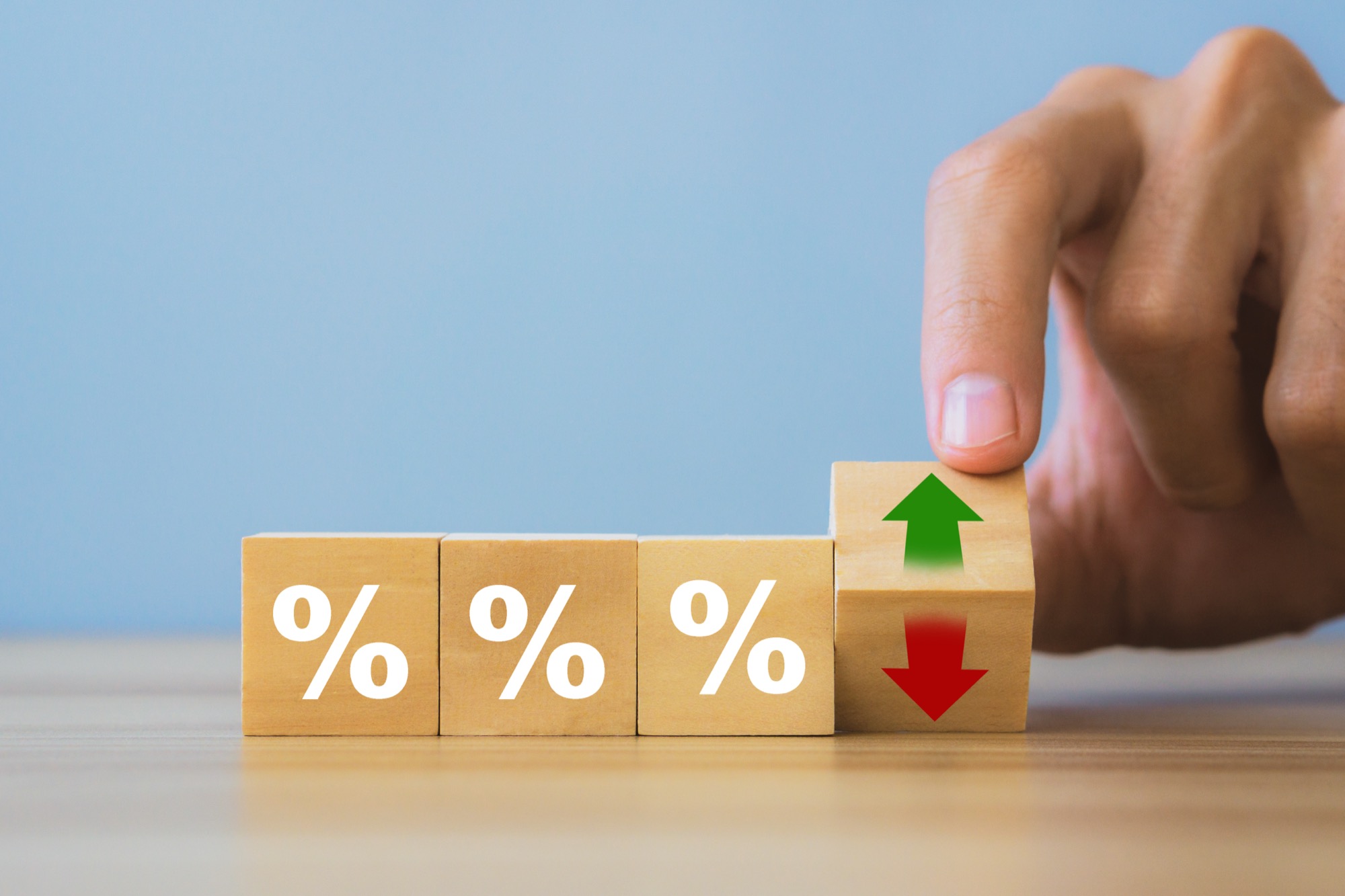
The percentage change formula and two related calculations
Most everyday questions are one of three calculations.
- A percentage of a number: divide the percentage by 100 and multiply. 15% of 200 is 200 × 15 ÷ 100 = 30.
- What percentage one number is of another: divide the part by the whole and multiply by 100. 30 out of 200 is 30 ÷ 200 × 100 = 15%.
- Percentage change: (new − old) ÷ old × 100. From 80 to 100 that is (100 − 80) ÷ 80 × 100 = 25%.
The base is always the starting value. That is why going from 80 to 100 is a 25% increase, but going back from 100 to 80 is a 20% decrease. The percentage calculator shows the formula and every step for each case.
Reverse percentage: finding the price before tax or a discount
When you only know the final price, divide by 1 plus the increase, or by 1 minus the decrease. A price of 120 after a 20% increase was 120 ÷ 1.20 = 100. A price of 75 after a 25% discount was 75 ÷ 0.75 = 100.
The common mistake is to take 20% off the final price. That gives 96, not 100, because the 20% was calculated on the original amount, not on 120.
How to calculate a discount percentage, and why +10% then −10% does not cancel
The discount percentage is the price drop divided by the original price. A coat marked down from 80 to 60 has dropped 20, and 20 ÷ 80 = 25%. Each percentage applies to the value it follows. 100 plus 10% is 110. Ten percent of 110 is 11, so the decrease leaves you at 99, not 100.
Percentage points versus percent
This is the confusion behind many headlines about interest rates, polls and market share. If a rate moves from 4% to 5%, it has risen by 1 percentage point. In relative terms it has risen by 25%, because 1 ÷ 4 = 0.25. Both statements are true and they mean different things. When a source says only "up 1%" or "up 25%", check which one it means before you compare figures.
Stacked discounts: 30% plus 20% is not 50%
A second discount applies to a price that is already reduced. Take 30% off 100 and you pay 70. Take 20% off that and you pay 56. The total saving is 44%. In the percentage calculator, use the successive percentages mode and enter −30 and −20 to see the combined result for any starting price.
How a pro rata insurance refund works
When a policy ends before its expiry date, the insurer keeps the premium for the days you were covered and owes you the rest. That unused share is the unearned premium:
unearned premium = premium × days remaining ÷ days in the term
Example: a 365-day policy costs 1,200 and ends after 182 days of cover. 183 days remain, so the unearned premium is 1,200 × 183 ÷ 365 = 601.64. Whether the cancellation day counts as a covered day changes the result by one day of premium, so check which convention your insurer uses.
The refund you receive can differ from that figure, because it depends on what you have paid, any cancellation fee and any minimum premium the policy keeps. The pro rata insurance calculator separates the unearned premium from the estimated refund and prints each step.
Pro rata or short rate cancellation
Under a pure pro rata refund the insurer keeps nothing beyond the time you were covered. A short rate cancellation adds a penalty, which reduces the refund. As an illustration only, a 10% penalty on the 601.64 above would leave 541.48. There is no standard penalty: it comes from your policy or from the insurer. The NAIC model act, which states often follow, treats pro rata as the default unless the policy provides another basis, and requires any extra cost to be disclosed in writing. It is a model, not law, so state rules differ.
Cancelling in the United Kingdom
For UK consumer policies the FCA rules in ICOBS 7 give a right to cancel, normally within 14 days, and 30 days for pure protection and payment protection contracts. If you cancel, the insurer may charge only for the cover it provided, plus a reasonable set-up cost that is not a profit. The pro rata calculation above is the natural way to estimate that charge.
Which calculator for which question
- A tip, a discount, tax, a pay rise or a price change: percentage calculator.
- A refund after cancelling a policy early: pro rata insurance calculator.
Both run in your browser and send nothing to a server. The results are estimates from the numbers you enter, not financial or insurance advice. Your policy wording and your insurer's cancellation statement are what count.